LAWN PROBLEMS
White Grub

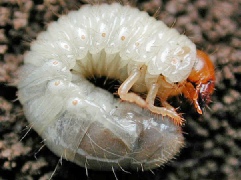
This is a fat, white worm-like insect with three pairs of legs next to the head. In adult form, you’ll see beetles crawling around. The eggs that these beetles lay in the soil, turn into the grubs, which will stay in the soil until they die. During their life cycle, which can be anything from a few months to a few years, the grubs feed on the roots of plants in your garden, including the roots of your lawn. When the root system of a plant is destroyed, the plant cannot survive, which means that these guys can completely destroy your lawn if they’re not treated. To test if you have grubs, lift a piece of grass and dig into the soil to reveal the roots. Do this in a few different areas.
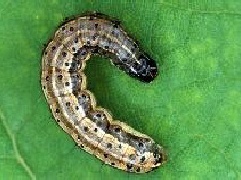
Lawn Caterpillar

These greenish brown caterpillars appear via eggs laid by lawn moths -a small, light brown moth that can often be seen fluttering on the lawn surface. The caterpillars live just below the soil surface of lawns and are very active at night when they feed on blades and top growth of grass causing large yellow patches. They usually appear early to late spring and can cause great damage to lawns in a very short amount of time as they are ferocious eaters. Without rapid and proper treatment, lawn caterpillar can cause great damage to your lawn, so don’t wait if you suspect infestation. Also note that one can often have a few cycles of lawn caterpillar on one’s lawn within one season, so it’s best to keep an eye out for them.
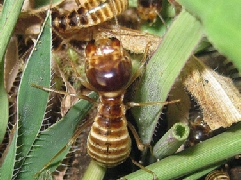
Termites

These colonies live underground, so you might not always see the termites. In some instances, these colonies can be as big as 1m (diameter) x 8m (depth) with tunnels and nest underground. They can also cause great damage to lawns, flowers and vegetable patches as they cut these into small pieces that they carry into their nests for food. They have the ability to destroy a lawn in a very short amount of time and need to be treated immediately.
Mole Cricket

These brown crickets can often be found in your swimming pool, but you’ll also notice little holes in your lawn as they dig tunnels in the ground. You might also hear them at night when they make loud screeching noises - not like the normal cricket. Heavily infested lawns also tend to feel spongy underfoot. Mole crickets tend to be very active during spring and summer when they lay eggs and their young hatch. During winter they usually burrow themselves deep into the soil. If left untreated, these guys can utterly destroy your lawn with their tunnels and by feeding on your lawn, so get us to come and have a look if you suspect infestation.
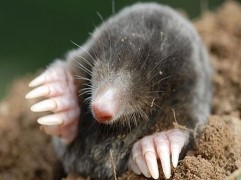
Moles

Lawns are ideal breeding and feeding areas for lawn insects such as white grub, mole cricket and earth worm, which moles feed on. If you have any of these insects, chances are good that you might get a mole as well, especially if you live next to open or wooded areas. Moles usually damage lawns by pushing tunnels underneath the soil, which is harmful to the root system of your lawn. Their mole hills are also very unsightly on a lawn, so its best to keep them off your lawn and in your flower beds at least. We prefer not to kill moles as they help to keep insects under control, so we’ve developed an organic mole repellant that helps to keep them at bay.
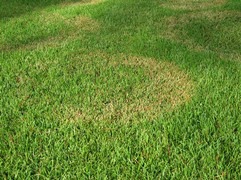
Brown Patch

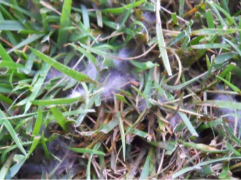
Brown patch is a type of lawn disease that only affects the foliage of the grass and not the crown or roots of the grass. It’s caused by a type of fungus and usually sets in once grass has been wet for long periods of time and gets mowed too short. The first sign of this fungus is a purply-gray ring of about 50cm in diameter. In grass that has been less wet and that’s cut a bit longer, brown patch  can be several meters in diameter. Mycelium , a type of white growth, would be visible on dew covered grass early in the morning or if you look closely at the leaf blades, there could also be small tan to brown lesions on the leaves.
Rust

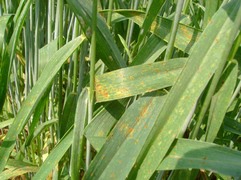
Rust looks like an orange or yellowy-orange powder, which is basically spores, on the leaves of the grass. Rust typically develops on lawns that are growing very slowly. Also look out for a yellow, red or brown appearance on the lawn in certain areas. If you look closely, you will be able to see the blister-like bumps, which easily rubs off on your hand. These are rust spores that can easily be tracked into homes and onto other lawns and plants, so take care to treat it immediately, before it can spread.
Fairy Rings

A fairy ring is a naturally occurring ring or arc of mushrooms. The rings can grow to over 10m in diameter as they become stable over time, with the fungus seeking food underground to make it grow. The most common sign is the circular row of mushrooms that grow on your lawn, with a circular dead patch of grass around the edges of the circle.
Pythium Blight

Pythium  Blight is also called ‘cottony blight’ or ‘grease spot’. All  warm and cool season grasses are susceptible to attack. The occurance of Pythium  Blight is most common during hot, humid conditions and where there is limited air circulation. Poorly drained soil is also beneficial to the development of this disease. Look out for small spots or patches of blighted grass that suddenly appear during warm and wet periods. In the early stages of the disease, the leaves of the grass will appear water-soaked, greasy, slimy and dark.The leaves will then start shrivelling up with the patches on your lawn that will start fading from green to light brown as the disease develops.
Dollar Spot

Dollar spot is also caused by a fungus. This fungus affects the leaves of the grass, but doesn’t damage the rest of the plant. It is most commonly found on closely mowed lawns and can often be seen on fine textured grass where it looks like round, brown and somewhat sunken spots on the lawn, approximately the size of a large coin. In coarse textured grasses that get mowed a bit longer, the dead spots will be a bit bigger. These spots are also often seen in clusters. On the leaf blades, it looks like light, tan coloured lesions with a reddish-brown border. Cobweb-like Mycelium growths can also be seen on the affected areas when there’s dew on the grass.
Yellow Nutsedge

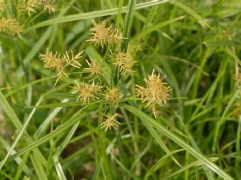
This weed is becoming a huge problem  in South Africa as it grows rapidly and is very difficult to control. While most other weeds grow by either tubers, rhizomes or seeds, Nutsedge reproduces by all three, which makes it almost impossible to destroy, especially if you pull it out by hand. Some parts of the plant will always remain in the soil, which will just grow again. Nutsedge is also a very competitive weed that gives off a toxin that suppress the growth of surrounding plants, so it can literally destroy your lawn if left untreated. We however have great success with our specialized herbicides specifically formulated for this invasive weed.
Dandelion

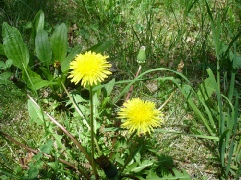
This weed, that comes from European origin, has become quite a well-know sight on South African lawns.. When the plants are still young, one can get rid of them fairly easily with the correct herbicide. Once the plants are a bit older and more established, they become quite a bit harder to get rid of though as they have a very strong root system.  
Creeping Sorrel

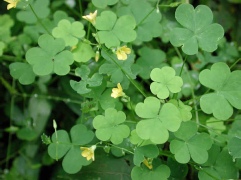
There are approximately 500 species of Oxalis (sorrel) of which 243 are indigenous to South Africa. The majority of these plants are found only in the Western Cape. It is also significant that of all the species that occur in South Africa, the two that are not indigenous are two of the three that are considered troublesome weeds. These plants sometimes act as hosts for plant diseases, such as rust and on lawns they can be difficult to control , especially on lawns that get mowed very short. If not treated correctly, these weeds can overgrow a lawn completely.
White Clover

This is a very common type of weed, especially on lawns. It’s a very rapid grower that can quickly cover and overtake your lawn if left untreated, especially during the colder seasons. They have also grown resistant to some weed killers, which makes it very important to use the correct herbicides for treatment.
Wonderlawn

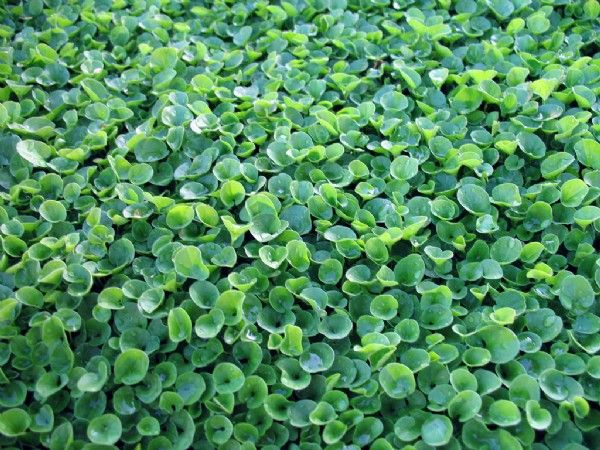
This is a perennial, evergreen plant with shiny leaves that is commonly found in damp places on your lawn or elsewhere in your garden. People often plant it as a ground cover or as a replacement for lawns in shaded areas. If you find these on or near your normal lawn, you’ll have to treat it though as it will eventually take over your lawn if it’s left untreated.
Wintergrass
(Poa Annua)

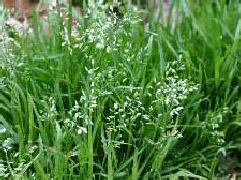
This grass is a bright, green grass with thin leaves that’s common all over South Africa, especially during winter. Although it grows throughout the year in shady and damp areas it’s especially noticeable in winter when the conditions are ideal for it. As it grows much quicker than your normal grasses like Kikuyu, Cynodin etc., it can become unsightly with it’s bright green tufts and small white flowers. The best way to deal with Winter Grass is to treat the seeds and the plants as seeds can easily spread via wind, feet, lawn mowers, animals, etc.

Somerset West

Western Cape

South Africa

7130


Domain designed by PROFAM